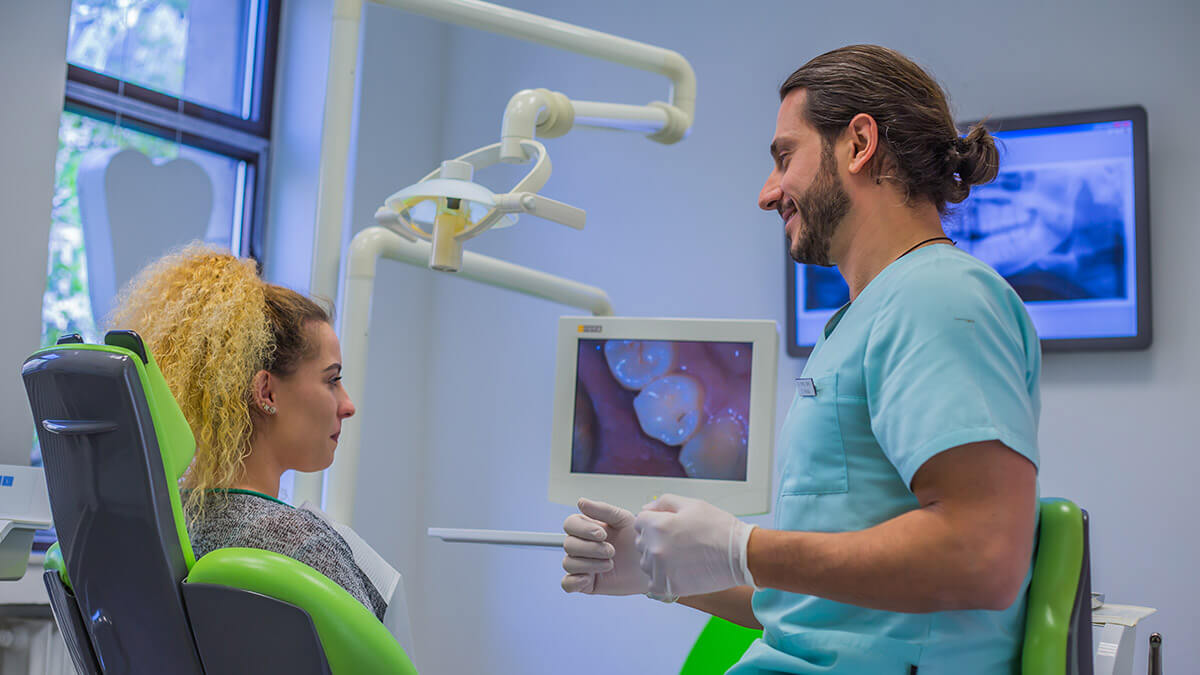
Alongside gum inflammation, tooth decay is one of the most common diseases of the mouth. Children in particular, who often eat a lot of sweet foods, face a heightened risk of decay in their milk teeth. Fluoride is the most effective means of protecting against tooth decay – both for milk teeth and for the permanent teeth that follow.
How does tooth decay develop?
Through our daily diet, deposits (plaque) form on our teeth. Sugary foods in particular react with the bacteria present in these deposits, producing acids that attack the tooth enamel. If the plaque is not removed regularly and promptly, this reaction gradually breaks down the enamel, which acts as the teeth's natural protective coating. Without this protection, decay-causing bacteria create cavities in the tooth, which then have to be treated by a dentist.
What is fluoride and what does it do for teeth?
Fluoride is a trace element that occurs naturally in the human body, for example in our teeth and bones. Correctly dosed, fluoride protects our teeth against the acid attacks caused by our diet. It hardens the tooth enamel and thereby increases the teeth's resistance. In dentistry, this substance is regarded as an effective and well-established means of keeping teeth strong.
Dental care from the very first milk tooth
As soon as the first milk tooth appears, dental care should begin – because from that moment on, the first risk of decay exists. In addition, decay can spread from the milk teeth to the permanent teeth. Studies show that the risk of decay in the permanent teeth is significantly higher if the milk teeth were already affected. To spare your child a painful treatment and the associated follow-on risk, it is best to start caring for the milk teeth straight away.
Fluoride is considered an effective protection for children too, and it can be provided through fluoride toothpaste. What matters is the correct dosage to ensure safe use. During the first two years of life, brushing once a day with a fluoride toothpaste is sufficient; from the age of two, twice a day. From the first to the sixth year of life, the fluoride content of the toothpaste should be 500 ppm. After that, it can be increased to 1,000 to 1,500 ppm.
In this way you achieve the necessary protection for children's teeth and take targeted steps to prevent tooth decay.
Do you have questions about dental care for children? Our paediatric dentist in Düsseldorf will be happy to advise you. Book an appointment!